Asta Regia vuelve a excavarse casi siete décadas después
Topics Regional Government of Andalusia Universidad de Cádiz
The Junta will begin archaeological surveys at the Mesas de Asta site, in Jerez, as a preliminary step to a research project with the UCA.
CádizYa newsroom ·
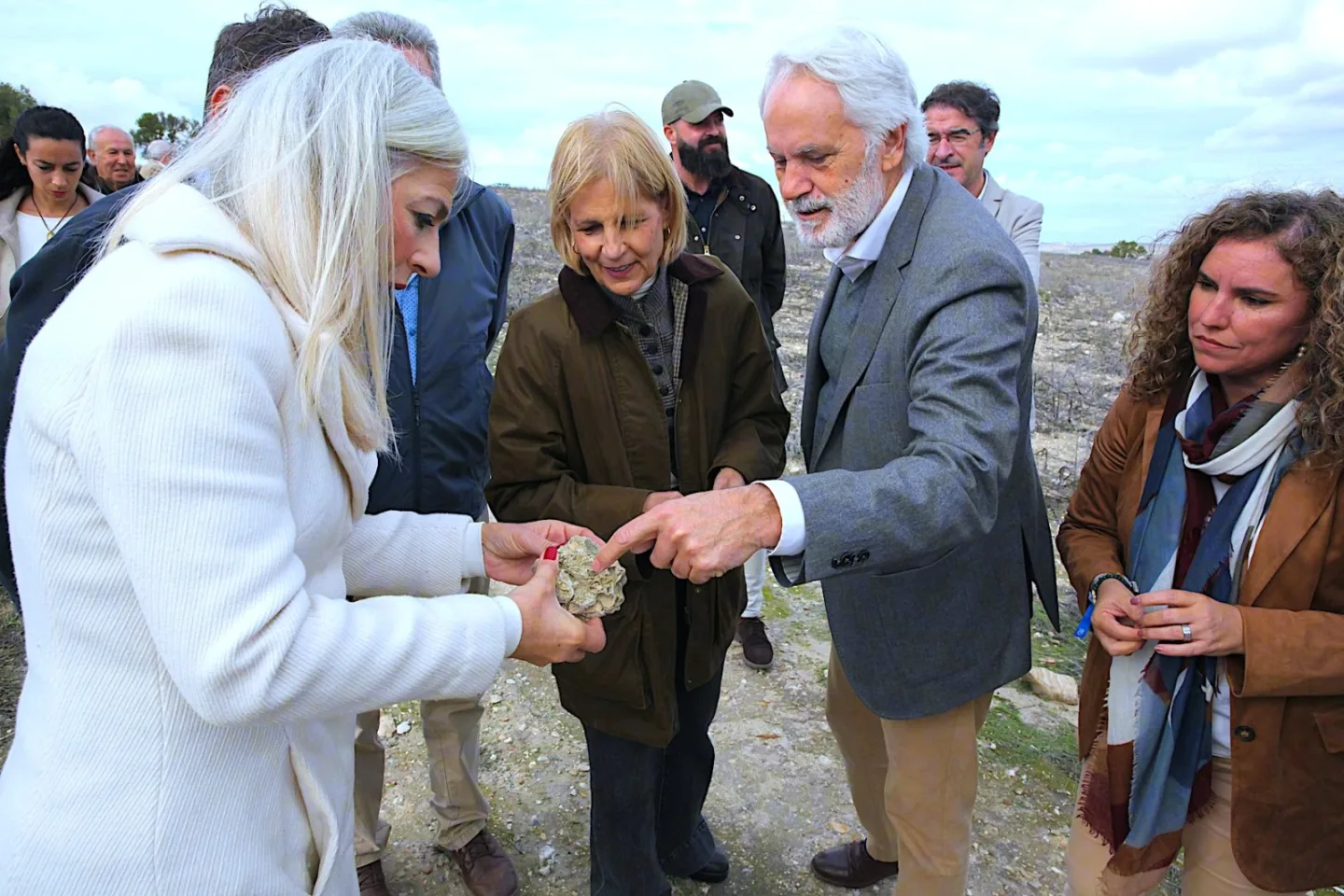
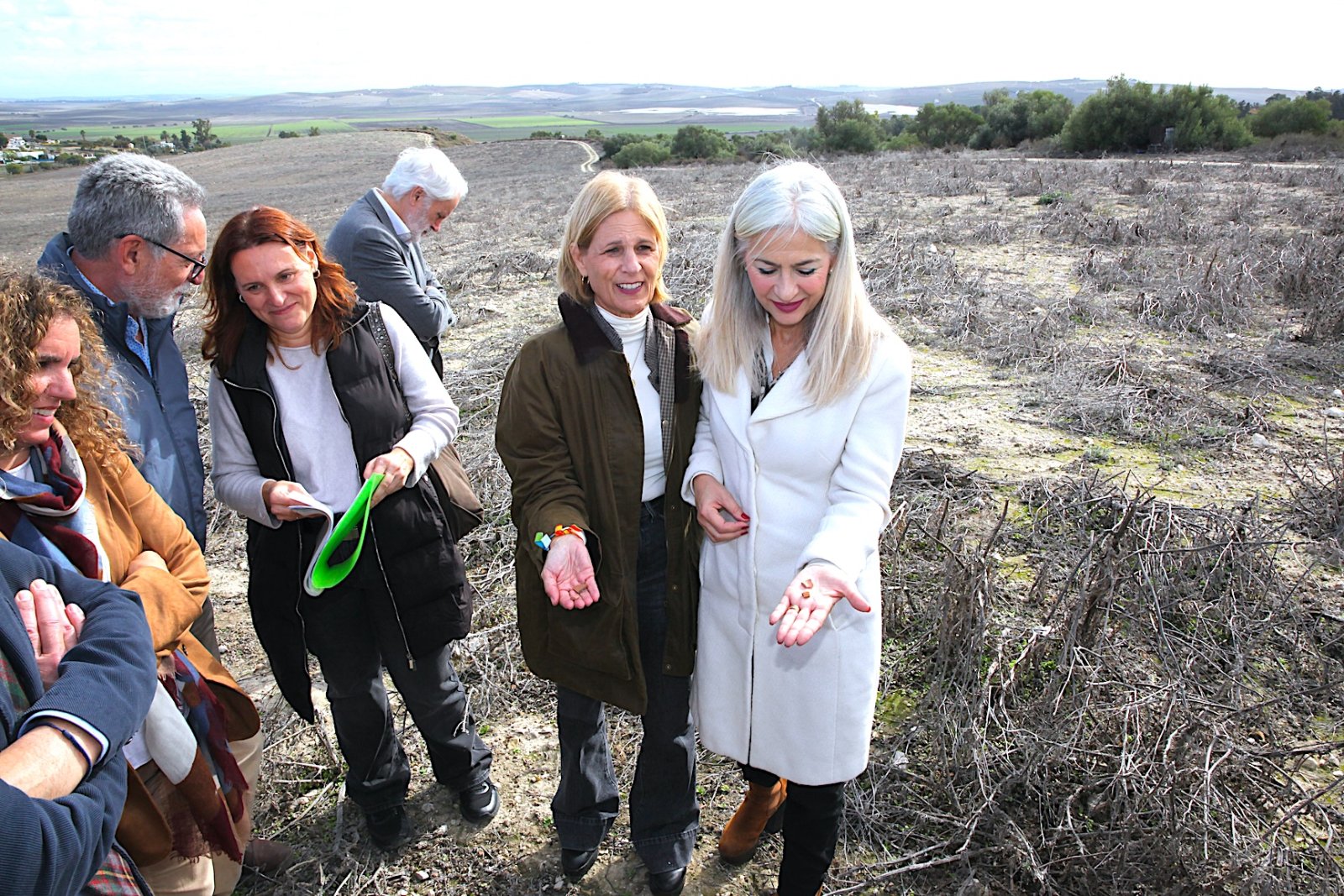
The archaeological site of Asta Regia, in Mesas de Asta (Jerez de la Frontera), will be excavated again almost seventy years after the last campaigns. The Junta de Andalucía will begin with archaeological surveys, that is, small test pits to check what lies beneath the ground and what condition it is preserved in, before drafting a general research project. This was announced by the Regional Minister for Culture, Historical Heritage and Sport, Patricia del Pozo, during a visit to the site.
The work will be based on the surveys that the Regional Ministry commissioned in 2020. The idea is to make a complete record of the site's layers in order to keep learning about it and decide how to preserve it. Funding will be provided by the Regional Ministry once it is authorised, and will be channelled through an agreement that, very probably, will be signed with the University of Cádiz (UCA).
A plan for the whole site
At the same time, the Junta and the Jerez City Council will draft a plan of actions setting out the objectives and priorities for protecting and enhancing the site, with a view to turning it into a cultural and tourist driver for the city, according to Del Pozo.
The City Council is also working on other actions in the area, such as the 150-metre mural in the neighbourhood, the approval of the name Mesas de Asta Regia, backed in a residents' consultation, and the renaming of the school as José Antonio Fernández Bustillos, who was mayor of Mesas de Asta.
The mayor, María José García-Pelayo, has recalled that the Junta acquired the land at the end of 2025: 90 hectares for 1,200,000 euros. Since then a new fence and signage have been installed, and maintenance work has been carried out. The only visible remains correspond to the 1941 and 1958 campaigns by Manuel Esteve Guerrero.
The site was declared an Asset of Cultural Interest (BIC) in April 2000 and is considered one of the most significant unexcavated sites in the country, with occupation from the Late Bronze Age until its abandonment around the 10th century.
Breaking news from News, on your phone
An alert only when something can't wait. Free, no account needed.
On iPhone, alerts only arrive if you first add CádizYa to your Home Screen. How to do it, step by step
This browser can't receive alerts. Try another one, such as Chrome or Safari.
You've blocked alerts from CádizYa in this browser. You can turn them back on in its settings. How to do it, step by step
Only what can't wait. Change or remove it in my alerts
Shall we let you know what matters?
Phone alerts
On iPhone, alerts only arrive if you first add CádizYa to your Home Screen. How to do it, step by step
This browser can't receive alerts. Try another one, such as Chrome or Safari.
You've blocked alerts from CádizYa in this browser. You can turn them back on in its settings. How to do it, step by step