
Cádiz brings together 250 women's health specialists on November 6 and 7
The 25th Congress of the Andalusian Society of Gynecology and Obstetrics is held at the Hotel Cádiz Bahía with nearly 50 speakers.
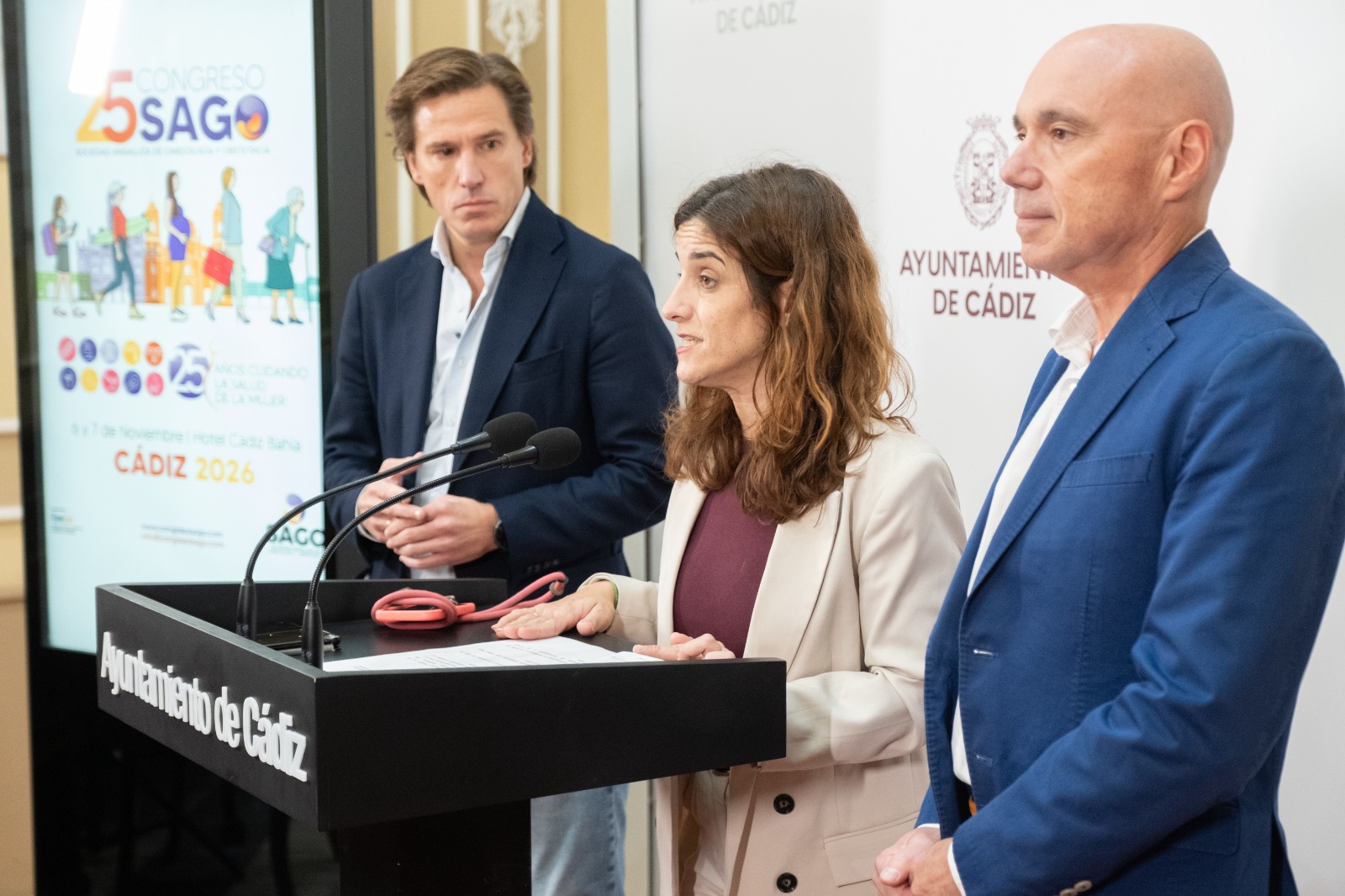
Cádiz will host the 25th Congress of the Andalusian Society of Gynecology and Obstetrics on November 6 and 7, a meeting that will bring together around 250 specialists from all over Andalusia at the Hotel Cádiz Bahía. The program addresses women's health at all stages of life, from the reproductive stage to menopause and gynecological diseases.
A walk open to everyone
The event does not stay within the hotel rooms. On Saturday, November 7, at 8:00 a.m., a non-competitive two-kilometer walk will be held along the Paseo Marítimo de Cádiz. Although it was initially intended for congress participants, the organization has opened it to any citizen who wants to join. The idea is to recall the importance of adding small physical activities to the daily routine.
What will be discussed
The president of the organizing committee and head of the Gynecology and Obstetrics section at the Hospital Universitario Puerta del Mar, José Román Broullon Molanes, explains that there will be nearly 50 speakers and a program focused on the main challenges of the specialty. Among the highlighted topics are advances in the treatment of gynecological cancer, especially minimally invasive surgery and the personalization of oncological treatments, and therapeutic alternatives for menopause.
Pregnancy and reproduction will also be discussed, with debate on how to combine scientific evidence with respect for patients' decisions. Broullon draws attention to the progressive delay in the age of motherhood, which can increase difficulties in having children and the risk of complications such as hypertension or gestational diabetes. There will also be practical workshops to train the response to rare obstetric emergencies, and techniques such as laser fetoscopy in twin pregnancies will be addressed.
Artificial intelligence with judgment
Another of the congress's points will be the use of artificial intelligence in clinical practice, especially to interpret images and support diagnosis. Broullon warns that duly validated tools must be used and recalls that "artificial intelligence will under no circumstances replace clinical judgment, professional responsibility and, much less, human treatment of the patient."
The Councilor for Health, Gloria Bazán, and the Deputy Mayor for Social Development, Pablo Otero, have presented the meeting together with Broullon. Bazán has pointed out that "each stage of a woman's life has different needs and all deserve the same attention, prevention and care." Otero has defended moving toward "increasingly humane healthcare that takes into account the needs, circumstances and decisions of each woman."