
Fegasur closes its 25th edition with around 10,000 visits at C-Ifeca
Topics Diputación Provincial de Cádiz
The livestock and agriculture fair of the Cádiz Provincial Council was held from November 6 to 8 in Jerez after a two-year break.
CádizYa newsroom ·
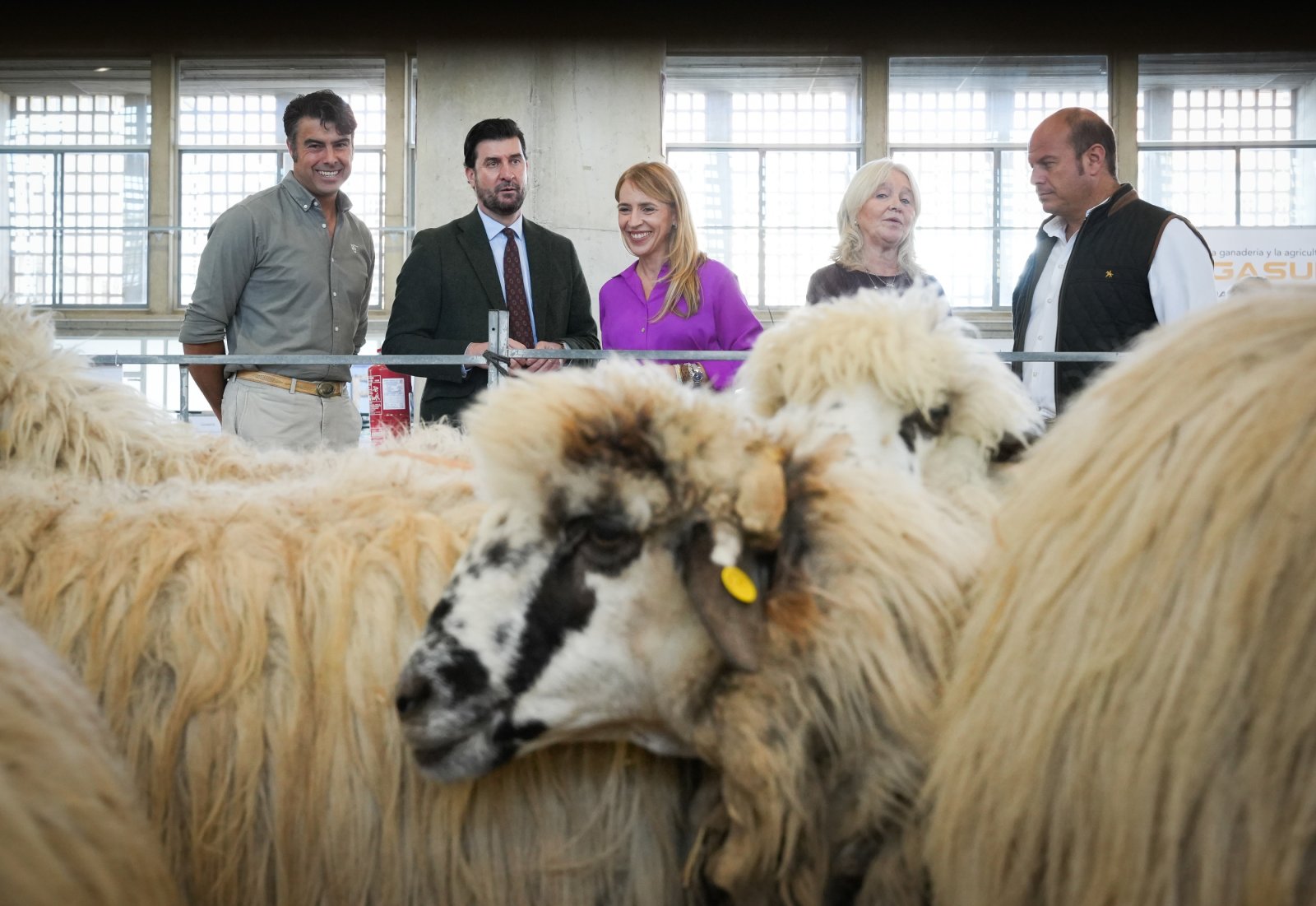
Around 10,000 people passed through the C-Ifeca facilities in Jerez de la Frontera between Friday, November 6 and Sunday, November 8 to visit the twenty-fifth edition of Fegasur, the National Livestock and Agriculture Fair. The Diputación de Cádiz, which organizes the event, describes the figure as a record and notes that all scheduled activities were filled with visitors.
The event comes after a two-year forced pause due to the health situation that affected livestock. On this occasion, visitors were able to see an exhibition with up to 502 head of cattle, sheep, goats, pigs and horses, including breeds such as the retinta, the limusin, the avileña, the churra lebrijana, the lojeña, the merina de Grazalema, the florida, the Iberian pig and the Andalusian donkey.
The auction, the backbone for the sector
For professionals, the livestock exhibition and the Official Auction remain the fair's main reference points. Sunday morning hosted the National Official Auction of Select Livestock, included in the annual calendar of the Ministerio de Agricultura, Pesca y Alimentación. More than 30 bidder cards were issued and 51 of the 52 cattle of the retinta, limusin and avileña breeds that went up for auction were awarded above the starting price.
Alongside the exhibition, the program included tastings, workshops, showcookings, demonstrations of arriera, equestrian and Andalusian rat-hunting dog work, as well as a showcase of agri-food products from the province in the ASAJA-Cádiz space and the photographic exhibition «Bestiarium», by José Barea.
In the technical section, with the involvement of COAG-Cádiz, UPA-Cádiz and the Junta de Andalucía's Interfaz project on forest fire prevention, topics such as extensive livestock farming, the control and spread of the oriental hornet and fire prevention were addressed. The sessions closed with a lecture by Manuel Pimentel Siles, agricultural engineer, writer and publisher.
The Diputación de Cádiz also had its own stand, through the Área de Transición Ecológica headed by second vice-president Javier Vidal, and another from the Instituto de Empleo y Desarrollo Socioeconómico y Tecnológico (IEDT), where the cross-border cooperation projects INNOPYME and AGROSOCIAL PLUS were presented, 75% co-financed by the European Union through FEDER funds. Visits from schools in the province were also organized within the Diputación's Environmental Education programs.
Shall we let you know what matters?